
The square-cut variant
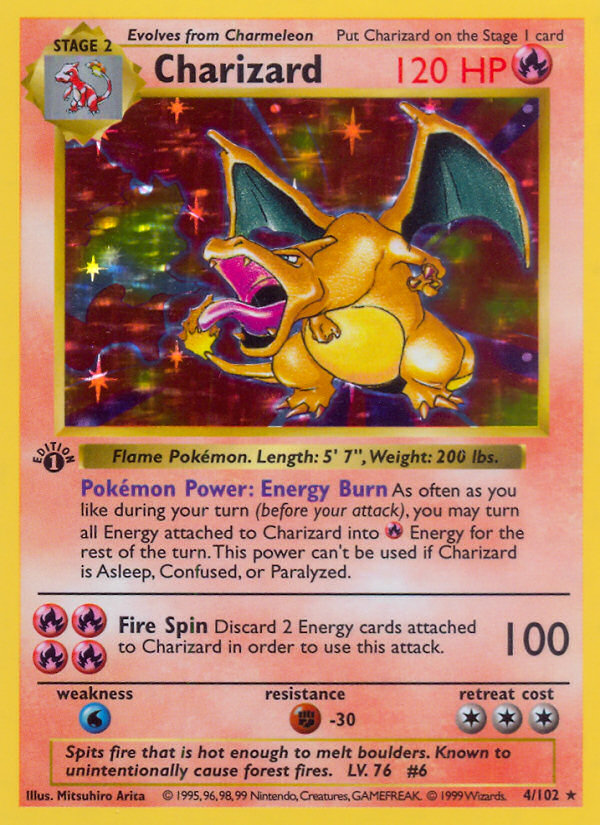
A small number of 1st Edition Base Set cards exhibit sharper, square-cut corners from a different cutting process than the standard rounded cut. When graded and confirmed factory-cut, these trade for a meaningful premium. The corners have to be definitively from the factory and not the result of a trimming or a sleeve-edge wear pattern, which is why a grading slab is the safest way to buy one.
Miscuts and missing ink
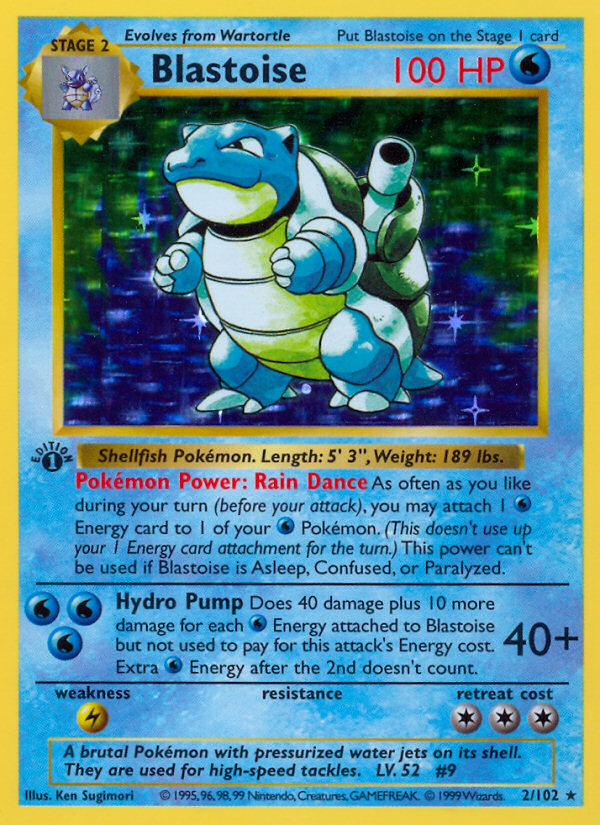
A miscut happens when the cutting blade misaligned, leaving a sliver of an adjacent card or the sheet margin visible. Severe miscuts that clearly show the next card trade for real premiums; mild border imbalance does not. Missing-ink errors, where a printing plate failed mid-run and a color layer is absent, are scarce and valuable when authentic, but they need to be definitively factory and not physical wear.
Holo bleed and ghost holo
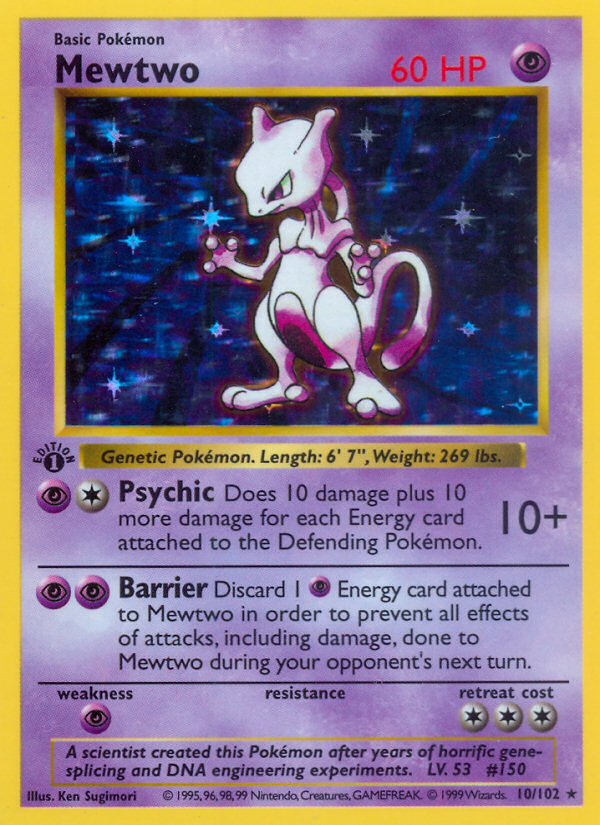
Holo bleed is foil pattern extending slightly outside the artwork window, and ghost holo is a faint foil shadow bleeding into adjacent areas. These are cosmetic print artifacts, not scarce errors, and they will not lift the price of a common card. Some buyers actually prize light holo bleed because it confirms the foil is original and not a reapplied counterfeit. Do not confuse holo bleed with edge whitening, which is damage.
How graders treat errors
PSA and CGC both label significant, verifiable errors on the slab, but only when the error is real. A five percent miscut will not get an error designation; a thirty percent miscut with the adjacent card visible will. The slab label is the simplest way to confirm an error is genuine and priced accordingly. For an unslabbed error, you are pricing a one-of-a-kind oddity, which means the value is whatever the next buyer will pay.
How to value a Base Set error
There is no general error premium. Each famous error trades on its own demand, and a one-off miscut or miscolor has no comp at all. Search sold listings on eBay and the major auction archives for the specific error pattern before paying up. Without comps, treat the price as a guess, and lean on a grading slab to confirm the error is factory rather than created after the fact.
Common questions
- Are Base Set error cards valuable?
- Some are. Genuine factory errors like severe miscuts, missing-ink prints, and the square-cut 1st Edition variant trade at premiums when authenticated. Minor border imbalance, holo bleed, and ghost holo are cosmetic and do not add meaningful value.
- What is a Base Set square cut?
- A small number of 1st Edition Base Set cards were cut with sharper, square corners by a different process. Confirmed factory-cut examples trade at a premium, but the corners must be verified as original rather than trimmed.
- Is holo bleed a defect on Base Set cards?
- No. Holo bleed is a normal print artifact where the foil extends slightly past the artwork window. It is not damage, and some collectors view it as proof the foil is original. Do not confuse it with edge whitening.